


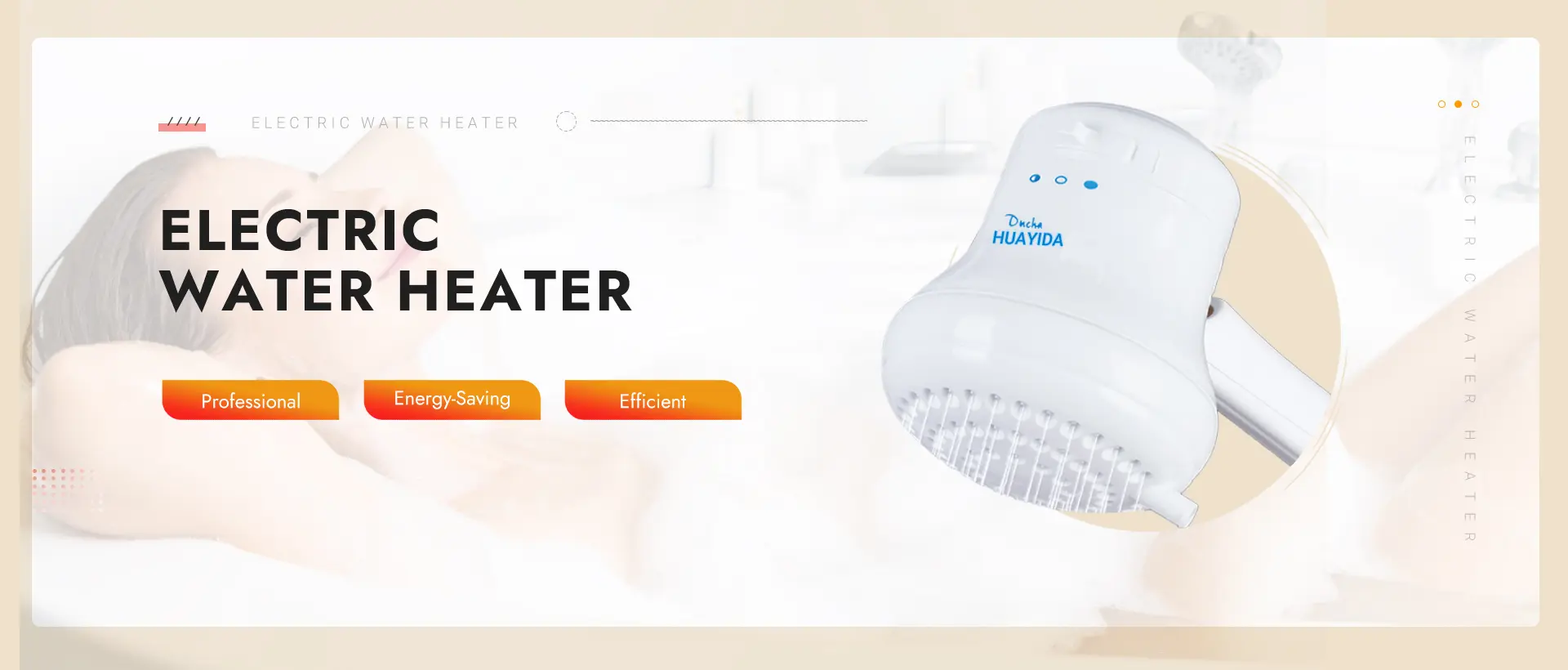
OEM Hot Water Heater Elements from Trusted Manufacturers - Quality Replacements Available
When replacing hot water heater elements, prioritizing quality and reliability is essential. Choosing OEM elements from trusted manufacturers guarantees the best fit for your systems. We all know the frustration of running out of hot water, and opting for OEM parts means investing in a solution that offers durability and long-lasting performance. Having collaborated with various suppliers, I understand the importance of selecting elements that align with specific requirements. OEM products are designed to match your equipment's exact specifications, eliminating worries about compatibility and ensuring optimal performance. It's vital to consider reputable manufacturers recognized for their dependable heating solutions. Replacing hot water heater elements can be straightforward when you have the right knowledge and resources. Ensure you have access to products that enhance your business's reputation for quality and service.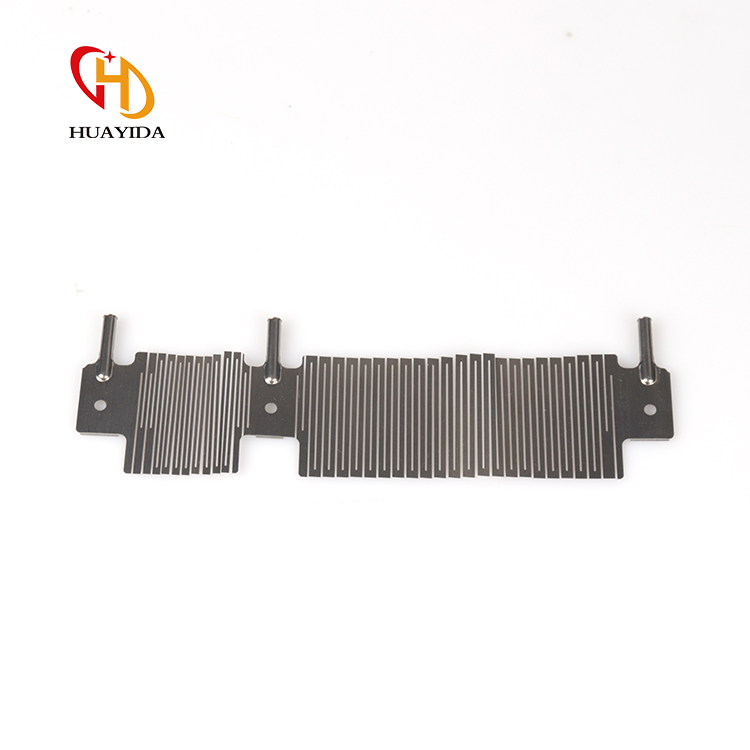
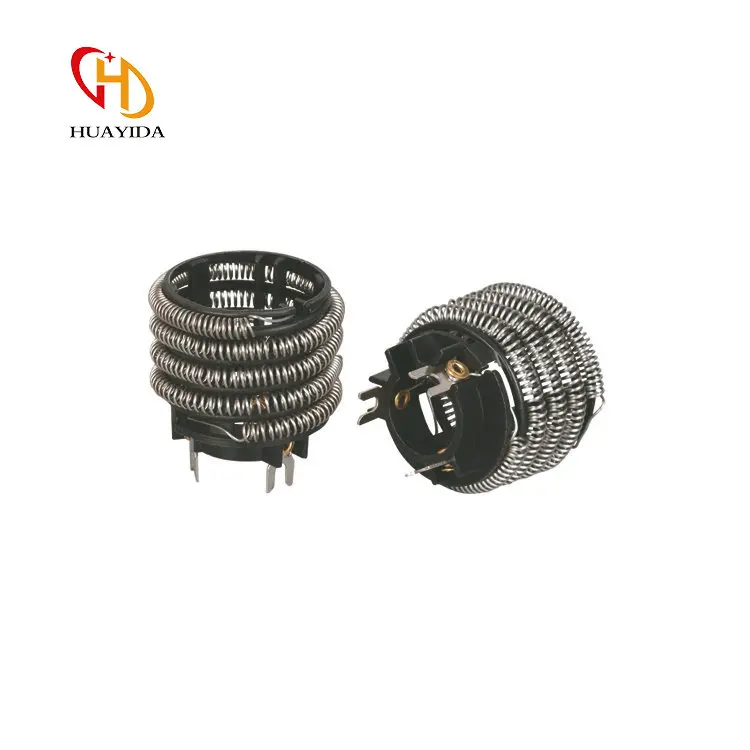

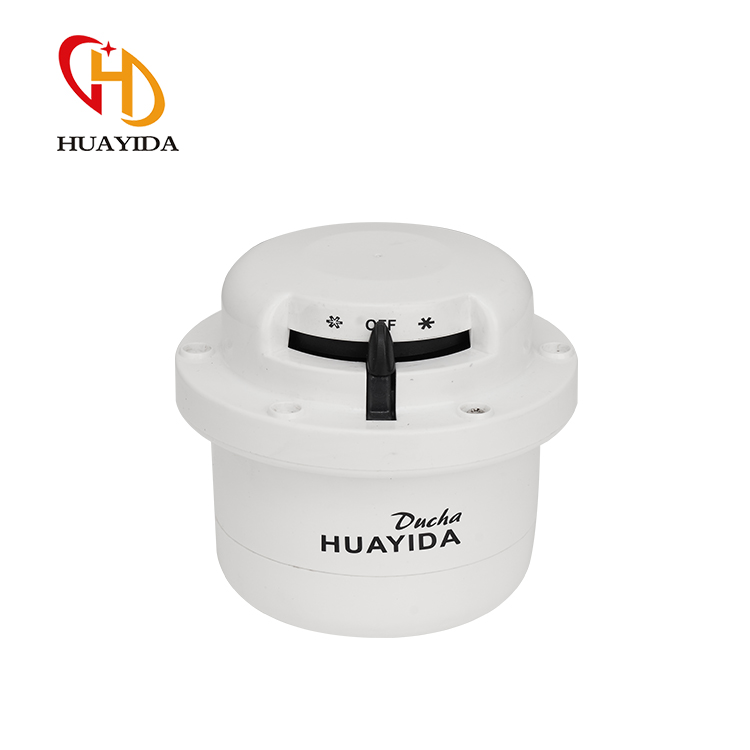
Replacing Hot Water Heater Element For the Current Year Winning in 2025
As we look toward 2025, the demand for efficient hot water heater elements is becoming increasingly critical in the global market. With rising energy costs and an emphasis on sustainability, consumers are seeking solutions that not only provide reliable performance but also minimize energy consumption. Upgrading or replacing your hot water heater elements is a strategic move that can lead to significant cost savings, improved efficiency, and a lower carbon footprint. The latest advancements in heating technology focus on materials that enhance thermal conductivity and durability, extending the lifespan of heating elements while ensuring optimal heat transfer. As a buyer, investing in high-quality heating elements can drastically improve your operational efficiency and customer satisfaction. Suppliers must stay ahead of trends and demands, integrating innovative designs that meet safety regulations and environmental standards. In this competitive landscape, understanding the needs of end-users and aligning product offerings with current technological advancements is paramount. As we approach 2025, companies that prioritize energy efficiency and sustainability in their product lines will not only capture market share but also establish themselves as leaders in the industry. Emphasizing quality and innovation in hot water heater components will be essential steps for businesses looking to thrive in this evolving marketplace.
Replacing Hot Water Heater Element For the Current Year Winning in 2025
| Element Type | Wattage | Material | Lifespan (Years) | Efficiency Rating |
|---|---|---|---|---|
| Standard | 4500W | Copper | 6 | B |
| High-Efficiency | 5500W | Stainless Steel | 8 | A |
| Eco-Friendly | 3000W | Titanium | 10 | A+ |
| Residential | 4500W | Copper | 6 | B |
Related Products
Replacing Hot Water Heater Element Service More Than a Supplier - A Partner
Top Selling Products
- Related Blog
- Reviews


